

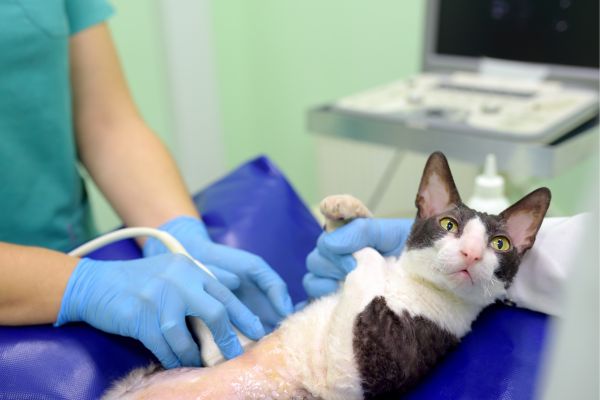
Pet insurance sounds simple on the surface. You pay a monthly premium, and when your dog or cat gets sick, the policy helps cover the cost. But once you start reading the fine print, one phrase tends to jump out and cause confusion, frustration, or both: pre-existing conditions in pet insurance.
For many pet owners, this concept becomes the deciding factor between a smooth claims experience and an unexpected denial. Understanding how pre-existing conditions work isn’t just helpful—it’s essential if you want realistic expectations and fewer surprises down the line.
This guide takes a clear, experience-driven look at what pre-existing conditions actually mean, how insurers define them, and what pet owners can do to navigate coverage with confidence.
What pre-existing conditions really mean in pet insurance
In the simplest terms, a pre-existing condition is any illness, injury, or symptom that existed before your pet’s insurance policy began. That definition sounds straightforward, but in practice, it’s broader than many people expect.
Insurance providers don’t just look at confirmed diagnoses. They often consider any signs, symptoms, or medical notes recorded by a veterinarian before the policy start date. A single mention of limping, itching, vomiting, or digestive trouble can later be classified as evidence of a pre-existing condition, even if no formal diagnosis was made at the time.
This is where misunderstandings often arise. Pet owners may feel blindsided when a claim is denied for something that seemed minor or unrelated months earlier. From the insurer’s perspective, though, the condition was already present in some form.
The difference between curable and incurable conditions
One important distinction in pre-existing conditions in pet insurance is whether a condition is considered curable or incurable. Not all insurers handle this the same way, but the concept matters.
Curable conditions are typically short-term issues that resolve completely with treatment and do not return within a defined period. Examples might include a mild ear infection, a respiratory illness, or a stomach upset that clears and stays gone. Some policies may cover these conditions again if the pet remains symptom-free for a certain amount of time.
Incurable conditions, on the other hand, are ongoing or chronic by nature. Diabetes, arthritis, heart disease, allergies, and epilepsy usually fall into this category. Once these conditions appear in a pet’s medical history, they are almost always excluded from future coverage related to that condition.
This distinction explains why timing matters so much when enrolling a pet in insurance.
How waiting periods affect coverage decisions
Even after a policy begins, coverage does not start immediately for most conditions. Waiting periods are built into nearly every pet insurance plan, and they play a major role in how pre-existing conditions are determined.
If symptoms appear during the waiting period, insurers typically treat them as pre-existing—even if the policy is technically active. Waiting periods vary depending on the type of coverage. Accidents may have shorter waiting periods, while illnesses often take longer to become eligible.
This structure exists to prevent people from buying insurance after a pet is already showing signs of illness. For pet owners, it means that early vet visits during the first few weeks of a policy can have long-term implications.
Why minor symptoms can matter later
One of the most frustrating aspects of pre-existing conditions in pet insurance is how small, seemingly harmless notes can come back to affect claims.
Veterinary records are the primary evidence insurers rely on. If a vet writes “intermittent limping” or “possible skin irritation,” that language may later be used to link future conditions to a pre-existing issue. Even if the symptom resolved or seemed unrelated at the time, it creates a documented history.
This doesn’t mean pet owners should avoid veterinary care. Skipping vet visits can lead to bigger health problems and still won’t erase symptoms if they become obvious later. Instead, awareness is key. Understanding that documentation matters can help owners ask questions, seek clarity, and keep better personal records.
Breed-specific issues and genetic conditions
Breed-related health risks add another layer of complexity. Many pets are genetically predisposed to certain conditions, but predisposition alone is not the same as a pre-existing condition.
A condition generally becomes “pre-existing” only once symptoms appear or a diagnosis is made. However, if signs emerge before coverage starts, insurers may exclude the condition even if it’s common for that breed.
This can feel unfair, especially when responsible owners know they couldn’t have prevented a genetic issue. From an insurance standpoint, though, the focus remains on timing rather than cause.
Switching providers doesn’t reset medical history
A common misconception is that changing insurance companies can remove pre-existing conditions from a pet’s record. Unfortunately, that’s rarely the case.
Most insurers require full veterinary records when evaluating new applications or claims. If a condition appears in those records, it typically remains excluded regardless of which company you choose. Some providers may be more flexible with curable conditions, but chronic issues almost always follow the pet.
This is why consistency and long-term planning matter more than short-term savings when it comes to pet insurance.
When pre-existing conditions may still be partially covered
While coverage exclusions can feel absolute, there are situations where pets with pre-existing conditions can still benefit from insurance.
Policies may cover unrelated illnesses or injuries, even if a specific condition is excluded. For example, a dog with a pre-existing knee problem might still receive coverage for an ear infection or an accident.
Some plans also offer limited coverage for secondary issues that are not directly linked to the excluded condition. The line between related and unrelated can be blurry, which is why claims decisions sometimes feel subjective.
Understanding your policy language and asking clarifying questions before issues arise can help set realistic expectations.
How to reduce future coverage limitations
Pet owners can’t change the past, but they can make choices that reduce future limitations tied to pre-existing conditions.
Enrolling pets early, ideally when they are young and healthy, remains the most effective strategy. The fewer symptoms documented before coverage begins, the broader the protection tends to be.
Consistency in veterinary care also matters. Regular checkups help catch issues early, but they also provide clear timelines that can support claims later. When conditions truly resolve, documented proof of recovery can sometimes make a difference.
Finally, reading policy terms carefully—not just the highlights—helps avoid misunderstandings. Pre-existing condition definitions vary, and the details matter more than the marketing summaries.
The emotional side of coverage exclusions
Beyond paperwork and definitions, there’s an emotional side to this topic that often goes unspoken.
Pet owners seek insurance because they care deeply about their animals and want to make the best decisions during stressful moments. Discovering that a claim is denied due to a pre-existing condition can feel personal, even when it isn’t.
Understanding how insurers think doesn’t remove the disappointment, but it can reduce the sense of betrayal many owners feel. Knowledge creates distance between expectation and reality, which makes tough situations slightly easier to navigate.
A clearer way to think about pre-existing conditions
Instead of viewing pre-existing conditions in pet insurance as loopholes or fine-print traps, it helps to see them as boundaries. Insurance is designed to manage unknown future risks, not known past ones.
That perspective doesn’t make exclusions pleasant, but it does make them predictable. And predictability is valuable when caring for a pet over many years.
Conclusion
Pre-existing conditions in pet insurance sit at the intersection of health, timing, and documentation. They are often misunderstood, sometimes frustrating, and always important.
By understanding how insurers define these conditions, why symptoms matter, and how medical history follows a pet for life, owners can make more informed decisions. Early enrollment, realistic expectations, and careful reading of policy terms won’t eliminate every challenge, but they do create clarity.
In the end, pet insurance works best when it’s approached with knowledge rather than assumptions. And when it comes to pre-existing conditions, clarity is the closest thing to peace of mind.