

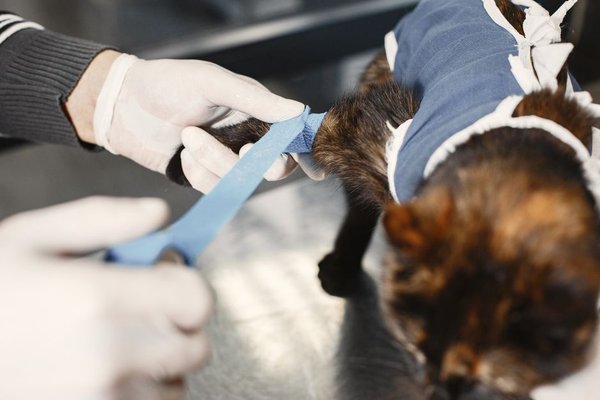
A recommendation for surgery can turn an ordinary veterinary appointment into a stressful financial decision. Pet insurance surgery coverage may help with an unexpected operation, but the name of the procedure alone rarely tells you whether a claim will be paid. Insurers look at why surgery is necessary, when the underlying problem began, and what the policy actually includes.
That distinction matters because a broken bone, a growing tumor, and a routine spay can all require an operating room while receiving very different insurance treatment. Understanding the rules before you face a large bill makes it easier to assess your options.
When Does Pet Insurance Cover Surgery?
Most accident-and-illness policies can reimburse eligible surgery needed to diagnose or treat a covered injury or disease. Accident-only plans generally restrict surgical benefits to qualifying injuries. A wellness package is different: it may contribute toward specified routine procedures but does not replace medical insurance.
Medical necessity is only the starting point. Coverage also depends on when symptoms first appeared, whether a waiting period has passed, applicable exclusions, and the policy’s financial limits. A veterinarian recommending an operation does not automatically make every associated charge reimbursable.
Which Veterinary Procedures May Qualify?
Emergency operations after accidents
Surgery to repair a fracture after a fall, treat an injury from a vehicle accident, or remove an object a dog swallowed may qualify if the event is covered. Emergency surgery can involve imaging, anesthesia, hospitalization, and monitoring, so the final invoice often contains far more than the surgeon’s fee.
Illness-related and tumor surgery
An accident-and-illness plan may cover removal of a medically concerning mass, certain bladder stones, or an intestinal obstruction caused by disease. Cancer-related surgery can also qualify. However, a mass or recurring symptom documented before enrollment may trigger a pre-existing-condition exclusion even if the definitive diagnosis comes later.
Orthopedic and joint procedures
Repairs involving torn cranial cruciate ligaments, dislocated kneecaps, and certain hip conditions may be covered, but orthopedic claims deserve extra scrutiny. Some policies apply longer waiting periods, hereditary-condition restrictions, or special rules when the opposite leg previously developed the same problem. Compare these terms before assuming an expensive joint operation is included.
Dental surgery and extractions
A fractured tooth following a covered accident may be treated differently from an extraction required because of periodontal disease. Some plans cover dental illness under defined conditions; others limit dental benefits substantially. Check whether examinations, cleanings, tooth extractions, and dental anesthesia are treated separately.
What Parts of the Surgical Bill Are Included?
Veterinary procedure coverage may extend beyond the operation itself. Depending on the plan, eligible expenses can include diagnostic blood tests, X-rays or ultrasound, surgeon and hospital charges, anesthesia, pain medication, prescribed antibiotics, and medically necessary follow-up visits.
Not every surrounding cost is guaranteed. Consultation or examination fees might need an optional benefit, while rehabilitation, prescription diets, take-home supplies, and repeat imaging can have separate restrictions. Ask your clinic for an itemized estimate rather than a single surgery total. It makes it easier to identify which charges the insurer considers eligible.
If the recovery is expected to be lengthy, compare your policy’s provisions for postoperative care as carefully as the surgery clause. Our guide to pet insurance exclusions offers a useful companion checklist.
Why Might a Necessary Operation Be Excluded?
The most common obstacle is a pre-existing condition. Insurers may consider veterinary notes describing signs or symptoms before coverage began, not just a formal diagnosis. For example, a dog with documented limping before enrollment may not gain coverage for later surgery on the same underlying knee problem.
Other potential exclusions include routine spaying or neutering, cosmetic procedures, breeding-related treatments, and operations occurring during a relevant waiting period. Some policies also restrict congenital or hereditary conditions, bilateral joint problems, or specific dental diseases. Terms vary significantly between providers.
There are exceptions to broad assumptions: a medically necessary reproductive operation for a newly arising covered illness may be assessed differently from elective sterilization. Likewise, some insurers offer limited coverage for certain curable pre-existing conditions after a symptom-free period. Read the actual contract rather than relying on a general marketing summary.
How Surgery Reimbursement Works
Pet surgery insurance typically reimburses the owner after treatment, although some providers offer direct veterinary payment arrangements. The final amount depends on eligible charges, your deductible, reimbursement percentage, and remaining annual or other benefit limits.
Consider an illustrative $6,000 operation where every charge is eligible, the remaining deductible is $500, and the plan reimburses 80% after that deductible. The calculation is $6,000 minus $500, leaving $5,500; 80% of that is $4,400. You would pay $1,600, assuming no other limits or exclusions apply. Different policies can calculate benefits differently.
If part of the invoice is excluded, the out-of-pocket amount rises. A coverage cap can also reduce payment even for a medically necessary operation. Compare pet operation costs using the insurer’s eligible-expense rules, not merely the advertised reimbursement rate. For more detail, see our explanation of pet insurance deductibles and reimbursement rates.
What to Do Before Surgery and Before Filing a Claim
For a planned procedure, ask the veterinary team for the diagnosis, clinical reason for surgery, itemized estimate, and expected recovery treatments. Contact the insurer to ask whether a pre-treatment review is available and whether additional records are required. Such a review can clarify possible exclusions but may not guarantee final payment.
For emergency surgery, prioritize the pet’s immediate medical needs; authorization questions should not delay urgent treatment. Keep invoices, payment receipts, diagnostic findings, and discharge instructions. Submit the claim according to your insurer’s deadline and watch for requests for earlier medical records.
It can help to review our guide to pet insurance waiting periods before changing plans, especially when a veterinarian has already noted an ongoing symptom. Buying a policy after a condition emerges usually will not make that condition newly insurable.
Frequently Asked Questions
Does pet insurance cover emergency surgery?
Often, yes, when the emergency results from an accident or illness included in the plan and no exclusion applies. Accident-only insurance generally will not pay for emergency surgery caused solely by an illness.
Will insurance pay for surgery if my pet was diagnosed before enrollment?
Usually not when the operation relates to a pre-existing condition. Insurers may examine earlier symptoms and veterinary advice, even if the diagnosis or surgical recommendation happened later.
Are anesthesia and recovery medications covered?
They may be covered when medically necessary for an eligible procedure, but policy details matter. Review limitations on exam fees, hospitalization, postoperative prescriptions, rehabilitation, and follow-up testing.
Can I choose a specialist surgeon?
Many plans allow care from licensed veterinary specialists, subject to policy rules and location restrictions. Confirm provider eligibility, referral requirements if any, and financial limits before booking.
The Bottom Line
Pet insurance surgery coverage is best understood as protection for eligible medical conditions, not a blanket promise to pay for every operation. Focus on the reason for surgery, the timing of symptoms, and the exact treatment-related charges your policy accepts. Those details, together with deductibles and limits, determine how much financial help you may actually receive.