

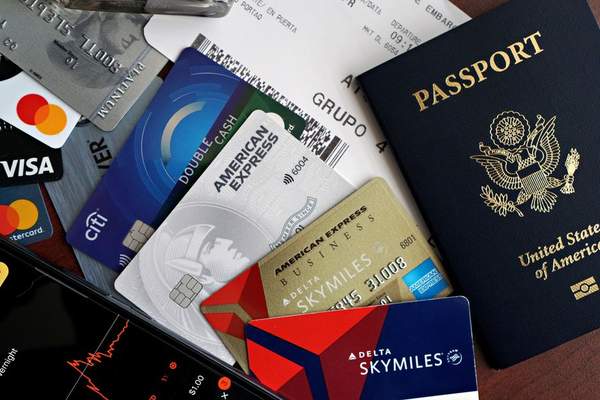
International travel can be exciting, but it also puts distance between you and the systems you normally rely on. A missed connection, sudden illness, lost luggage, or emergency in a remote area can turn a manageable problem into an expensive one. International travel insurance is designed to reduce that financial risk, but policies vary widely.
Some plans focus mainly on trip protection, while others add travel medical insurance and emergency evacuation coverage. The right choice depends on your destination, existing health insurance, prepaid costs, planned activities, and how much risk you can comfortably absorb.
What Is International Travel Insurance?
International travel insurance is a temporary policy that can protect your trip expenses and health while you are abroad. Comprehensive plans often combine trip cancellation, trip interruption, travel delay, baggage protection, emergency medical treatment, and medical evacuation. Each benefit has its own limits, conditions, and exclusions.
Do not confuse trip cancellation coverage with travel medical insurance. A basic cancellation plan may reimburse eligible prepaid expenses if you cannot travel for a covered reason, yet provide little or no medical coverage overseas. A medical-only policy may help with hospital bills but offer no reimbursement for a canceled flight or unused hotel booking.
What International Travel Insurance Typically Covers
Trip Cancellation and Interruption
Trip cancellation coverage may reimburse nonrefundable, prepaid expenses when you must cancel before departure for a reason listed in the policy. Common covered reasons can include an unexpected illness or injury, the death of a close family member, severe weather affecting travel, or another named event.
Trip interruption applies after the journey has started. It may help pay for unused arrangements and additional transportation if a covered emergency forces you to return home early. Coverage is not automatic for every problem, so the policy’s definition of a covered reason matters.
Emergency Medical Treatment Abroad
Travel medical insurance can cover eligible treatment for a sudden illness or accidental injury during international travel. Depending on the plan, this may include physician visits, diagnostic tests, hospitalization, surgery, prescription medicine, and emergency dental treatment.
Do not assume your regular U.S. health plan will work abroad. Coverage varies, and Medicare generally provides very limited coverage outside the United States. Even when an insurer reimburses overseas care, a hospital may require payment upfront. Check the rules on preauthorization, claims, deductibles, provider networks, and direct payment.
Emergency Evacuation and Repatriation
Emergency evacuation coverage is valuable for travelers visiting remote areas or places with limited specialist care. It may pay to transport you to an appropriate medical facility when adequate treatment is unavailable locally. Some policies also cover repatriation to your home country when medically necessary.
Evacuation can be extremely expensive when air ambulance services or medical escorts are required. However, the traveler usually cannot simply request a flight home. The assistance provider and medical team generally determine whether evacuation is necessary and which facility is suitable. A strong policy should include 24-hour emergency assistance.
Travel Delays, Missed Connections, and Baggage Problems
Many trip protection plans reimburse reasonable expenses when a covered delay lasts beyond the waiting period stated in the policy. Eligible costs may include meals, accommodation, and local transportation. Missed-connection benefits can help when a documented delay causes you to miss a cruise or onward flight.
Baggage coverage may reimburse lost, stolen, damaged, or significantly delayed belongings. Limits often apply per item and to categories such as electronics, jewelry, and sporting equipment. Keep receipts, airline reports, police reports, and other documentation because claims normally require evidence.
What Travel Insurance Often Does Not Cover
Travel insurance does not reimburse every disruption. Standard exclusions commonly include changing your mind, known or foreseeable events, losses caused by illegal acts, and claims that cannot be documented. Injuries linked to intoxication, reckless behavior, or excluded high-risk activities may also be denied.
Preexisting medical conditions require special attention. Some plans exclude them, while others offer a waiver when the policy is purchased within a specified period after the first trip payment and eligibility rules are met. Pregnancy-related emergencies may be covered differently from routine prenatal care or normal childbirth.
Adventure activities such as scuba diving, mountaineering, skiing, or motorcycling may require additional coverage. War, civil unrest, epidemics, natural disasters, and government restrictions can also be treated differently among policies. Read the certificate of insurance and exclusions section rather than relying on a headline summary.
When Do You Need International Travel Insurance?
Travel insurance is especially worth considering when you have substantial nonrefundable bookings, limited medical coverage abroad, a complex itinerary, or a destination where emergency care is difficult to access. It can also be valuable for cruises, older travelers, families, travelers with health concerns, and anyone planning remote or physically demanding activities.
You may need less trip cancellation coverage for a short journey booked with refundable reservations. Even then, medical and evacuation risks remain. Credit card travel benefits can help, but coverage may be narrow, may require payment with that card, and usually comes with specific claim conditions. Review the benefits guide before treating it as a replacement for a full policy.
How to Choose the Right Policy
Start by checking your existing health insurance and credit card benefits. Then compare the gaps against your itinerary. Confirm that every destination is covered, the policy lasts for the full trip, and the medical limits are appropriate for the countries you will visit.
Review deductibles, reimbursement limits, preexisting-condition rules, sports exclusions, cancellation reasons, and emergency assistance arrangements. Ask whether you must contact the insurer before treatment or evacuation. Also check whether the plan is primary or secondary to your regular insurance and how quickly claims must be submitted.
Frequently Asked Questions
Does international travel insurance cover all medical expenses?
No. It covers eligible expenses up to the policy limits and subject to deductibles, exclusions, and authorization rules. Routine care, preexisting conditions, pregnancy care, or high-risk activities may have limited or no coverage unless specifically included.
Can I buy travel insurance after booking my trip?
Yes, but buying earlier can preserve access to time-sensitive benefits. Certain preexisting-condition waivers or optional cancellation features may require purchase shortly after your initial trip payment.
Is travel insurance required for international travel?
It is not universally required, although some destinations, tours, visas, or cruise operators may require proof of medical or other coverage. Check the current entry and booking rules for your trip.
Does travel insurance cover cancellation for any reason?
Standard plans cover only listed reasons. Some policies offer optional cancel-for-any-reason protection, but it generally has stricter purchase and cancellation deadlines and may reimburse only part of the insured trip cost.
Final Thoughts
International travel insurance is most useful when it matches the risks of your journey. A low-priced plan is not a bargain if it excludes your destination, activities, medical needs, or largest prepaid expenses. Compare the details, not just the premium, and keep your policy number and emergency contact information accessible while traveling. With the right coverage, you can focus less on financial surprises and more on the trip itself.