

A damaged home creates two problems at once: you need to protect the property, and you need to build a clear record for your insurer. The best approach is to make the home safe first, then document what happened before cleanup and repairs change the evidence.
The exact homeowners claim process varies by insurer, policy, and state, but most claims follow the same sequence: document the loss, notify the insurer promptly, prevent additional damage, prepare for the adjuster, submit requested records, review the estimate, and track the claim until it is resolved.
Make the Property Safe First
If there is an active fire, gas smell, exposed wiring, structural instability, or another immediate hazard, leave the property and contact the appropriate emergency service. Do not enter an unsafe building simply to take photographs.
Once the immediate danger has passed, take reasonable steps to stop additional damage. That might mean covering a broken window, placing a tarp over a storm-damaged opening, shutting off water after a burst pipe, or moving undamaged belongings away from a wet area. Photograph the damage before temporary repairs whenever it is safe, and keep receipts for materials or emergency services.
Document the Damage Before Cleanup
Good documentation can make the insurance adjuster visit much more productive. Take wide photos that show the affected room or exterior area, then closer images of individual damage. Video can help capture the overall condition after water, wind, smoke, or falling-object damage.
Create a written inventory of damaged belongings. Include the item, brand or model when known, approximate age, original price if available, and whether it appears repairable or destroyed. Save receipts, credit-card records, warranties, manuals, old photographs, or online order confirmations that help establish ownership and value.
One practical claim documentation tip is to create a dedicated folder on your phone or computer. Store photos, estimates, receipts, emails, and notes from calls in the same place. This keeps evidence from becoming scattered across devices and inboxes.
Review Your Policy and Deductible
Check the declarations page for your deductible and read the policy sections related to the type of damage. A smaller loss may not be worth claiming if repair costs are close to or below the deductible. Some policies also use different deductibles for certain causes of loss, such as wind or hurricanes.
Coverage matters just as much as the deductible. Standard homeowners insurance does not cover every event. Flooding from rising surface water, for example, is generally handled through separate flood insurance rather than a standard homeowners policy. If you are unsure which policy applies, ask the insurer before assuming the loss is covered or excluded.
Natural internal-link opportunities for this section include homeowners insurance coverage basics and a home inventory checklist.
Report the Claim Promptly
Contact your insurer or agent as soon as reasonably possible after the loss. Reporting requirements can vary by policy and state, so avoid unnecessary delays. Be ready to provide your policy number, property address, contact information, date of loss, a description of what happened, and a general summary of the damage.
Ask for the claim number and write down the name of the representative you speak with. Also ask what documents the insurer wants, whether you may begin repairs, and whether an adjuster will contact you directly. Keep a simple claim log showing the date, person, phone number or email, and key points from every interaction.
Make Temporary Repairs Without Destroying Evidence
Your policy may require reasonable steps to protect the property from further damage, but emergency mitigation is different from permanent reconstruction. Take photos first, keep damaged materials when practical, and save receipts. Avoid major permanent repairs until the insurer has had a reasonable opportunity to inspect the loss, unless waiting would create a safety problem or allow damage to worsen.
For example, after a supply line bursts under a bathroom sink, you might shut off the water, photograph the soaked cabinet and flooring, remove standing water, and hire a drying company. Replacing the vanity and flooring before inspection, however, could make it harder to show what was originally damaged.
Prepare for the Insurance Adjuster Visit
The adjuster may inspect the structure, damaged contents, repair needs, and apparent cause of damage. Before the insurance adjuster visit, organize your photos, inventory, receipts, contractor estimates, and notes. Walk through the property yourself so you can point out damage that may not be obvious at first glance.
Ask what happens next and when you should expect the estimate or claim decision. If a contractor identifies hidden damage, such as moisture behind drywall, keep the written assessment. If additional damage is discovered during repairs, document it and contact the insurer promptly.
Complete Requested Claim Forms Carefully
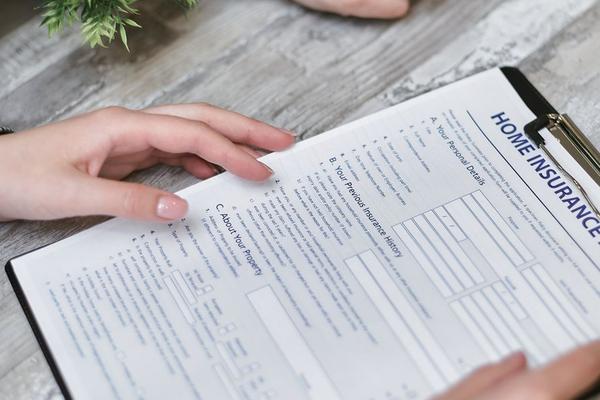
Your insurer may ask for additional documentation or a signed proof of loss form stating what you are claiming. Not every homeowners claim uses the same form or deadline, so follow your policy and the insurer’s written instructions. Do not assume a deadline that applies to flood insurance or another policy automatically applies to your homeowners claim.
Review figures before signing. Make sure damaged items, repair areas, and claimed amounts are described accurately. If a request is unclear, ask what is required and when it is due.
Review the Estimate and Payment
When you receive the adjuster’s estimate, compare it with the actual scope of damage and any contractor estimates. Look for missing rooms, overlooked materials, incorrect quantities, or damage discovered after the first inspection. If something is missing, send specific documentation rather than a general complaint.
Some replacement-cost policies pay claims in stages, with an initial payment reflecting depreciation and additional payment after repair or replacement. The method depends on the policy. Keep invoices, receipts, and proof of completed work until the claim is fully settled.
A useful related topic for internal linking here is how replacement cost and actual cash value differ.
Frequently Asked Questions
How soon should I file a homeowners insurance claim?
Report the loss as soon as reasonably possible. Policies and state rules can differ, so check your policy rather than relying on a universal deadline.
Should I clean up before the adjuster arrives?
Take reasonable steps to prevent additional damage, but document the loss first when it is safe. Avoid major permanent repairs or discarding damaged items before the insurer can inspect them unless immediate action is necessary.
What should I give the insurance adjuster?
Useful records include photos and videos, a damaged-property inventory, receipts, contractor estimates, emergency repair invoices, and documents that help establish the age or value of damaged belongings.
What if I discover more damage after the inspection?
Contact the insurer promptly and document the new damage. Ask how to submit a supplemental estimate or additional claim information before completing work that would cover it up.
Keep a Clear Record Until the Claim Is Closed
A well-managed claim is built on evidence and organization. Protect the property, photograph everything, report the loss promptly, keep receipts, prepare for the adjuster, and maintain a written record of important interactions. These steps do not guarantee coverage or a particular settlement, but they give the insurer clearer information to evaluate the loss and give you a stronger record if questions arise later.