

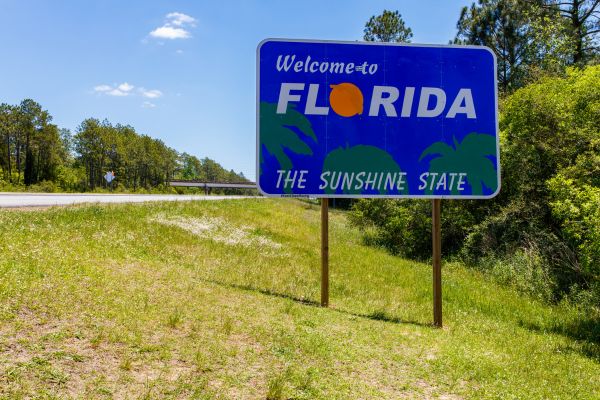
Florida is one of the most distinctive insurance markets in the United States. It has sunshine, beaches, retirement communities, tourist traffic, coastal homes, inland suburbs, and one of the most active hurricane seasons in the country. That mix makes insurance in Florida feel a little different from insurance in many other states. A policy is not just a formality here. For many residents, it is part of everyday financial planning.
This Florida insurance guide explains the major types of coverage people usually deal with, how local risks shape policies, what role agents play, and why state laws matter when choosing insurance. It is not legal advice, but it gives a clear, practical overview for homeowners, drivers, renters, and families trying to understand the Florida insurance landscape.
Why Insurance Works Differently in Florida
Florida’s location is a major reason insurance feels complicated. The state is surrounded by water on three sides, and many communities sit close to the coast. Hurricanes, tropical storms, flooding, roof damage, sinkholes, high repair costs, and population growth all affect the way insurers price policies.
A home in Miami, Tampa, Fort Myers, or the Florida Keys may face very different risks from a home in Orlando, Gainesville, or Tallahassee. Even within the same county, insurance costs can change depending on distance from the coast, roof age, building materials, flood zone, claims history, and local construction costs.
This is why Florida insurance is rarely one-size-fits-all. Two neighbors may have similar houses but very different premiums because one has a newer roof, stronger wind mitigation features, or a different flood risk profile. In Florida, the small details matter.
Homeowners Insurance in Florida
Homeowners insurance is often the biggest insurance concern for Florida residents. A standard homeowners policy usually helps cover the structure of the home, personal belongings, liability, and additional living expenses if a covered event makes the home temporarily unlivable.
However, Florida homeowners need to read policies carefully because not every weather-related event is treated the same way. Wind damage may be included, but flood damage usually is not covered by a standard homeowners policy. This distinction is very important. After a storm, damage from wind-driven rain and damage from rising water can fall under different types of coverage.
Many Florida policies also include hurricane deductibles. Unlike a normal flat deductible, hurricane deductibles are often calculated as a percentage of the insured value of the home. That means a homeowner may be responsible for a much larger out-of-pocket amount after a named storm than they would be after a smaller covered loss.
Roof age has also become a major issue in Florida. Insurers may ask detailed questions about roof condition, materials, permits, and inspection reports. A newer roof or documented wind-resistant improvements may help a homeowner qualify for more options, while an older roof can limit availability or raise costs.
Flood Insurance and Coastal Risk
Flood insurance deserves its own attention in Florida. Many people assume hurricane coverage automatically includes flooding, but that is not usually the case. Flooding from storm surge, overflowing water, or heavy rainfall may require a separate flood insurance policy.
Some homeowners are required by mortgage lenders to carry flood insurance if the property is in a high-risk flood zone. But even homes outside those zones can flood. Florida’s flat terrain, heavy rain, drainage issues, and coastal development mean flooding is not limited to waterfront properties.
Flood policies may be available through the National Flood Insurance Program or private insurers. The right option depends on the property, location, coverage needs, and lender requirements. For anyone buying a home in Florida, reviewing the flood map and asking about past flooding is just as important as checking the roof or air conditioning system.
Auto Insurance Requirements in Florida
Florida has specific auto insurance rules. Drivers with a vehicle registered in the state generally need Personal Injury Protection and Property Damage Liability coverage. The Florida Department of Highway Safety and Motor Vehicles states that vehicles must carry at least $10,000 in Personal Injury Protection and $10,000 in Property Damage Liability at the time of registration, and coverage must remain continuous while the vehicle has a Florida plate.
Personal Injury Protection, often called PIP, is tied to Florida’s no-fault insurance system. It helps cover certain medical costs after an accident, regardless of who caused the crash. Property Damage Liability helps pay for damage the driver causes to someone else’s property.
What surprises some drivers is that bodily injury liability is not part of the basic minimum requirement for many private passenger vehicles. Still, many people choose to carry it because serious accidents can create costs far beyond the state minimums. Florida’s busy roads, tourist drivers, rideshare traffic, and frequent rainstorms make strong auto coverage worth considering.
Another important rule is continuous coverage. If a driver cancels insurance before surrendering a license plate, penalties can follow. In Florida, insurance is closely connected to registration status, so timing matters.
Renters Insurance in Florida
Renters insurance is often overlooked, but it can be useful in Florida’s rental-heavy cities. People renting apartments, condos, duplexes, or single-family homes usually do not insure the building itself. That is normally the landlord’s responsibility. But the renter’s belongings are a different matter.
A renters policy can help cover personal property after certain losses, such as theft, fire, or some types of water damage. It may also include liability coverage if someone is injured in the rental unit. In a state where storms can disrupt daily life, some policies may also help with temporary living expenses after a covered loss.
Renters should pay close attention to exclusions. Flood damage, for example, may not be included in a standard renters policy. Someone renting a ground-floor apartment in a flood-prone area may want to ask about separate flood coverage for personal belongings.
Condo Insurance and Association Coverage
Florida has a large condo market, especially in coastal and urban areas. Condo insurance can be confusing because responsibility is split between the unit owner and the condo association.
The association usually carries a master policy for shared structures and common areas, but that does not mean everything inside the unit is covered. Unit owners often need their own policy for interior features, personal property, liability, and loss assessments.
A loss assessment can happen when a condo association charges unit owners for a shared covered loss that exceeds the master policy or falls under the association’s deductible. This is especially important in Florida, where storm damage and building repairs can become expensive.
Before buying condo insurance, owners should review the association’s governing documents and master policy. The boundary between association responsibility and unit-owner responsibility is not always obvious.
Health Insurance and Life Insurance Considerations
Health insurance in Florida follows many of the same broad patterns as the rest of the country, but local factors still matter. Retirees, seasonal residents, self-employed workers, hospitality employees, and small business owners may all face different coverage choices.
For families, the practical questions are often simple but important. Which doctors are in network? Are local hospitals covered? How expensive are prescriptions? What happens when traveling within the state or outside it? In Florida, where many people split time between states or move during retirement, network access can be especially important.
Life insurance is another part of the broader picture. It is not tied to hurricane risk or auto laws, but it can help families plan for mortgages, dependents, debts, and long-term financial stability. The right amount and type of coverage depends on age, income, family responsibilities, and future goals.
The Role of Local Insurance Agents
Local agents can be helpful in Florida because the market changes by region. An agent who regularly works in Naples may understand different risks than one who focuses on Jacksonville, Orlando, or the Panhandle. Local knowledge can matter when comparing wind coverage, flood risk, roof requirements, and carrier availability.
Agents may be captive or independent. A captive agent usually represents one insurance company. An independent agent can often compare policies from several carriers. Neither option is automatically better. The important thing is whether the agent explains coverage clearly, answers questions directly, and helps the customer understand exclusions and deductibles.
A good agent should not simply focus on the lowest premium. In Florida, a cheap policy with weak coverage, high deductibles, or major exclusions can become expensive after a claim. The better conversation is about realistic protection, not just monthly cost.
Florida Insurance Laws and Consumer Protections
Florida insurance is regulated at the state level, and state agencies oversee licensing, market conduct, and consumer issues. Laws can affect policy language, claim handling, cancellation rules, rate filings, and insurer responsibilities.
Consumers should know that insurance companies must follow state rules, but policyholders also have responsibilities. They need to provide accurate information, pay premiums on time, report claims promptly, and maintain required coverage when it is tied to a vehicle registration or mortgage.
Florida’s insurance market has gone through reforms in recent years, especially in property insurance, as lawmakers and regulators have tried to address insurer stability, litigation costs, claims handling, and availability of coverage. Because the market continues to shift, policyholders should review notices carefully instead of assuming last year’s terms still apply.
For auto insurance, the state’s minimum PIP and PDL requirements remain a key legal baseline for registered vehicles. For property owners, the legal side is more policy-specific, especially around wind, flood, deductibles, renewals, and claim procedures.
How to Compare Policies in Florida
Comparing insurance in Florida requires more than checking the premium. The deductible, exclusions, coverage limits, roof terms, hurricane deductible, flood status, liability limits, and claim process all matter.
For homeowners, it helps to compare replacement cost coverage, windstorm terms, water damage limits, and whether any inspections are required. For drivers, it is wise to look beyond the minimum and consider what would happen after a serious crash. For renters and condo owners, personal property limits and liability protection deserve attention.
The best policy is not always the cheapest one. It is the one that matches the actual risk. In Florida, that means thinking about storms, water, roads, property values, and personal financial exposure.
Conclusion
A Florida insurance guide has to begin with one simple truth: insurance in this state is shaped by place. The coast, the weather, the roads, the housing market, and state law all influence what people need and what policies cost.
For homeowners, understanding wind and flood coverage is essential. For drivers, Florida’s PIP and property damage requirements are the starting point, not always the full answer. For renters, condo owners, families, and retirees, the right coverage depends on how and where they live.
The smartest approach is to read policies closely, ask practical questions, review coverage every year, and avoid choosing insurance by price alone. In Florida, good insurance is not just paperwork. It is part of being prepared for the ordinary risks of daily life and the larger risks that come with living in a beautiful, storm-tested state.